
Is Spiti safe? Altitude, roads and the cold
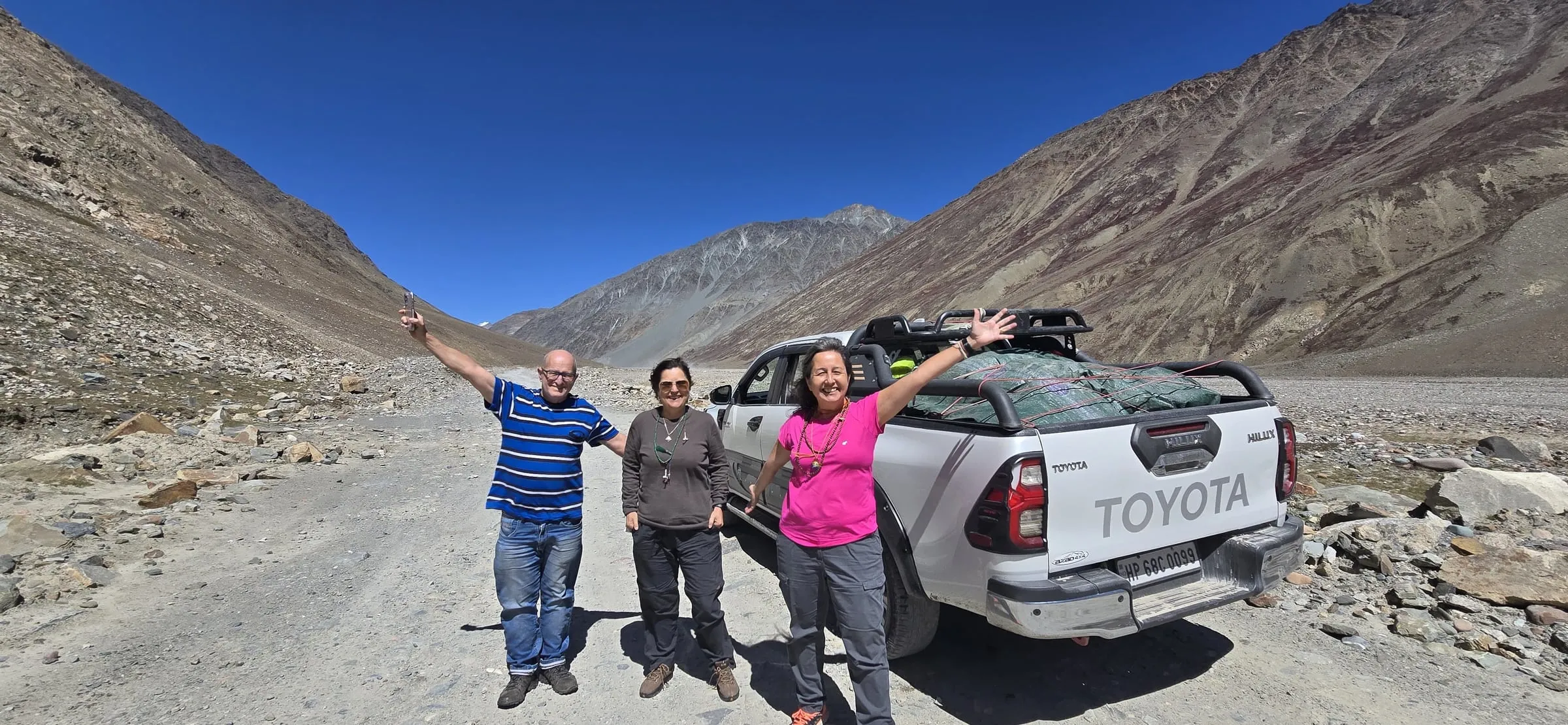
The short answer
Yes, Spiti is safe for most travellers if you respect three things: the altitude, the roads and the cold. Come in slowly through Kinnaur, rest on your first day, hire a local driver if you have never driven mountain roads, and keep spare days for landslides and snow. The mountains, not people, are the main risk.
The altitude
Kaza is at about 3,650 m, and most of what you come to see is higher: Key Monastery about 4,166 m, Kibber 4,270 m, Langza and Hikkim about 4,400 m, Komic about 4,520 m. Above 3,000 m, anyone can get altitude sickness.
- Come in slowly. The Kinnaur road from Shimla climbs over two or three days. The Manali road climbs to over 4,500 m in one.
- Rest on day one. Walk slowly, drink plenty of water, skip alcohol for the first nights.
- Sleep low, climb high. Above 3,000 m, sleep no more than about 500 m higher each night.
- Know the danger signs. Breathlessness at rest, a wet cough, confusion or stumbling mean go down now, not in the morning.
The family’s full guide, altitude sickness and oxygen in Spiti, covers Diamox, what to carry and the first night in Kaza.
The roads
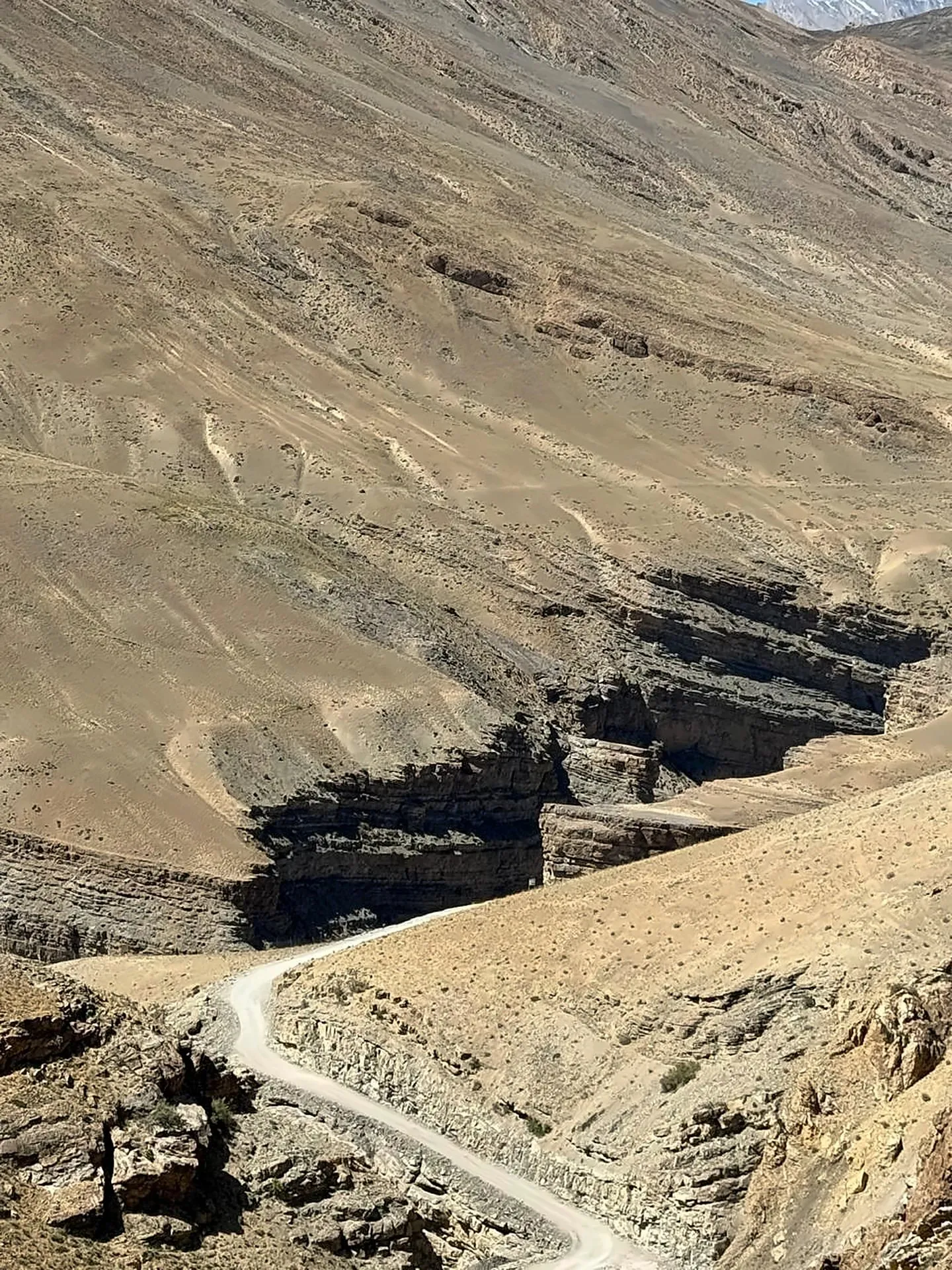
The roads are narrow, often unpaved, and run along drops. On the Kinnaur side, monsoon rain sends stones and mud onto the road; on the Manali side there are stream crossings near Chhatru and Batal. In winter, the danger is black ice on bends that stay in shadow all day.
- Never drive after dark.
- Take a high-clearance car for the Manali side, and in winter a 4×4 with chains, or better, a local driver.
- Fill up in Kaza: it has the only petrol pump in Spiti, and there is no fuel for about 200 km from Manali.
- Keep a spare day or two. Check Is Spiti open? before you set out.
The cold
Even in July, nights at 4,000 m can be cold, and the sun burns fast. From November to March, nights in Kaza fall to −15 °C to −30 °C, pipes freeze and power cuts follow heavy snow. Pack layers, a hat, gloves, sunglasses and sunscreen in any season. See Spiti weather.
Help and signal
There is a hospital in Kaza, but serious care is a long day’s drive away. Phone signal is usually fine in Kaza and patchy or absent in the villages, Pin Valley and at Chandratal. ATMs in Kaza can be empty or offline: carry cash.
Permits
Indian citizens need no permit for Spiti, only a photo ID and the e-Aagman pass for their vehicle. Foreign nationals need a Protected Area Permit for the border stretch from Pooh to Sumdo. The family’s permits guide has the details.
Quick answers
Is Spiti safe for families with children?
Usually, with a slow plan. Children get altitude sickness as often as adults and may not say how they feel, so watch them closely and come in through Kinnaur. In winter, think hard about very young children.
Is Spiti safe for solo travellers?
Yes. Spiti is calm and people are welcoming. The risks are the same as for everyone: altitude, roads and cold, plus patchy phone signal outside Kaza, so tell someone your plans.
Do I need oxygen in Spiti?
Most healthy travellers don’t, if they climb slowly. Spiti Villa keeps oxygen on site. If symptoms get worse instead of better, the treatment is to go lower.
Is there a hospital in Spiti?
Yes, in Kaza. Serious care is a long day’s drive away, so carry your own basic medicines and travel insurance that covers high altitude.
Is it safe to drive to Spiti?
If you are used to mountain roads. Uphill traffic has priority, use your horn on blind bends, never drive after dark, and take an SUV for the Manali side. In winter, hire a local driver.
Sources
- Altitude sickness in Spiti, and whether you need oxygen, Himalayan Brothers
- How to reach Spiti Valley, Himalayan Brothers
- Spiti Valley in winter, Himalayan Brothers
- Spiti Valley permits, Himalayan Brothers
Trips that fit
Run by Himalayan Brothers, our family’s travel company, and quoted on WhatsApp.
From our door
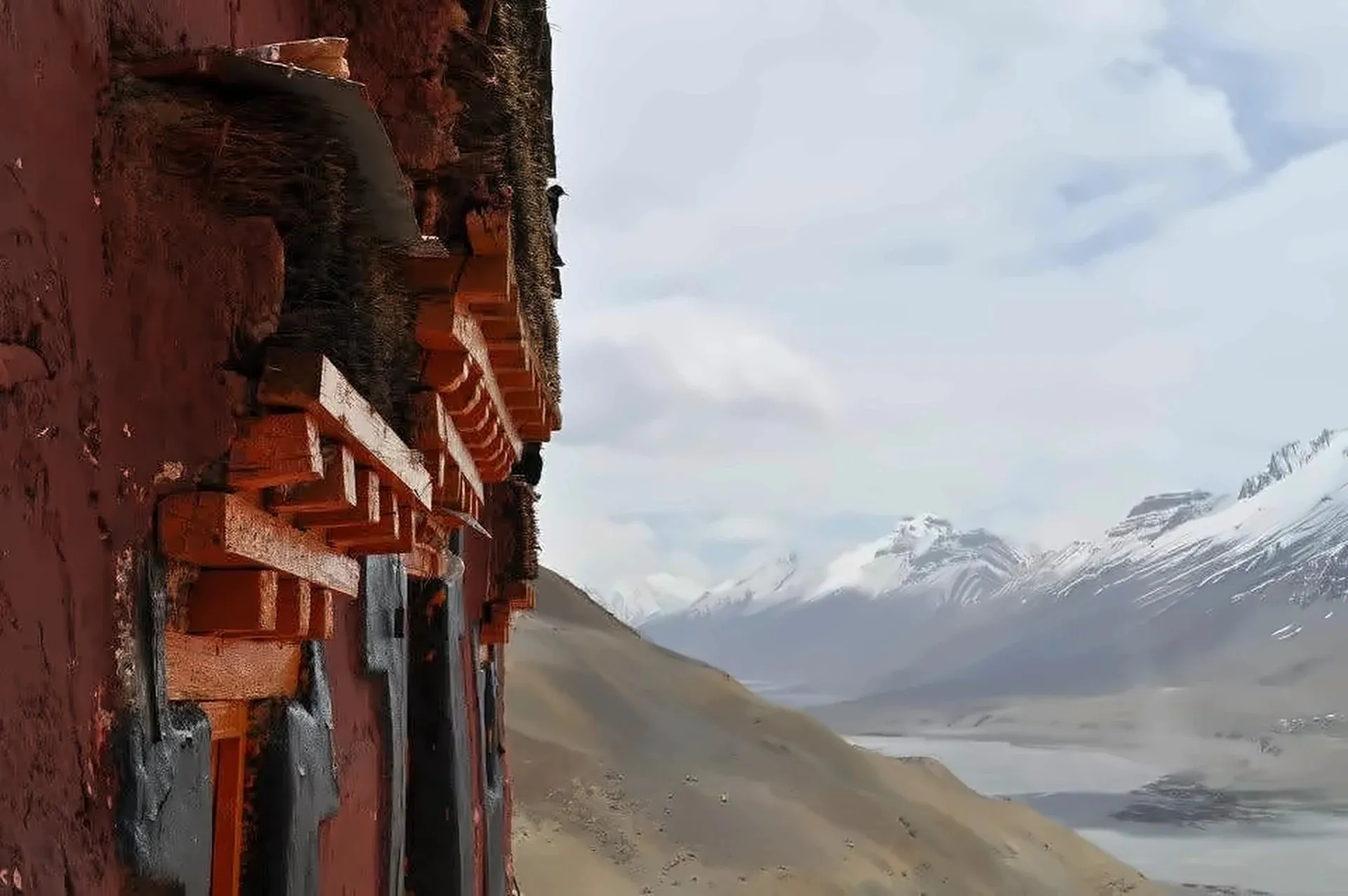
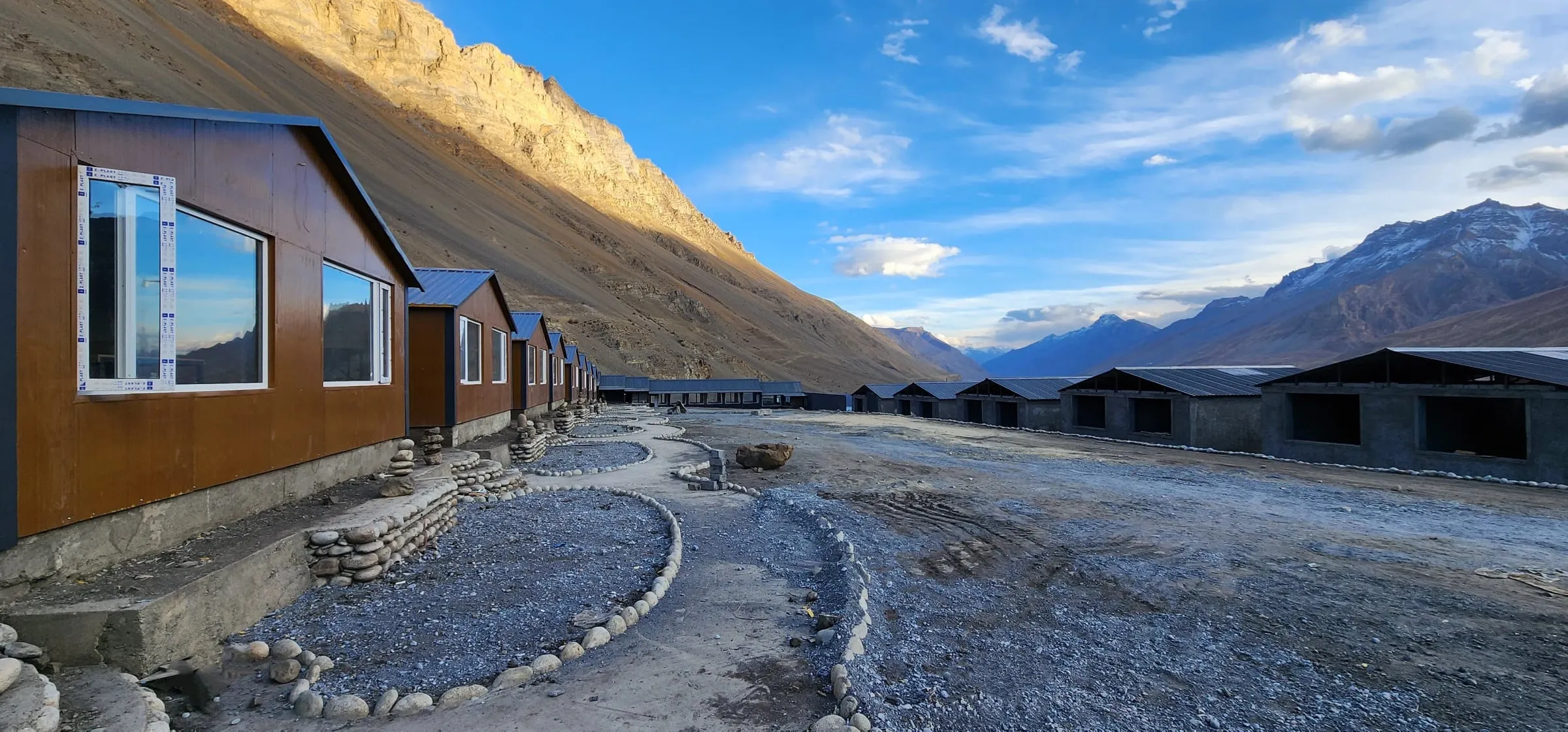
Spiti Villa is on Kibber Village Road, just below Key Monastery and 12 km from Kaza: 32 rooms, a glass-walled restaurant, and oxygen on site if the altitude catches up with you. Open all year.