
Kibber Wildlife Sanctuary
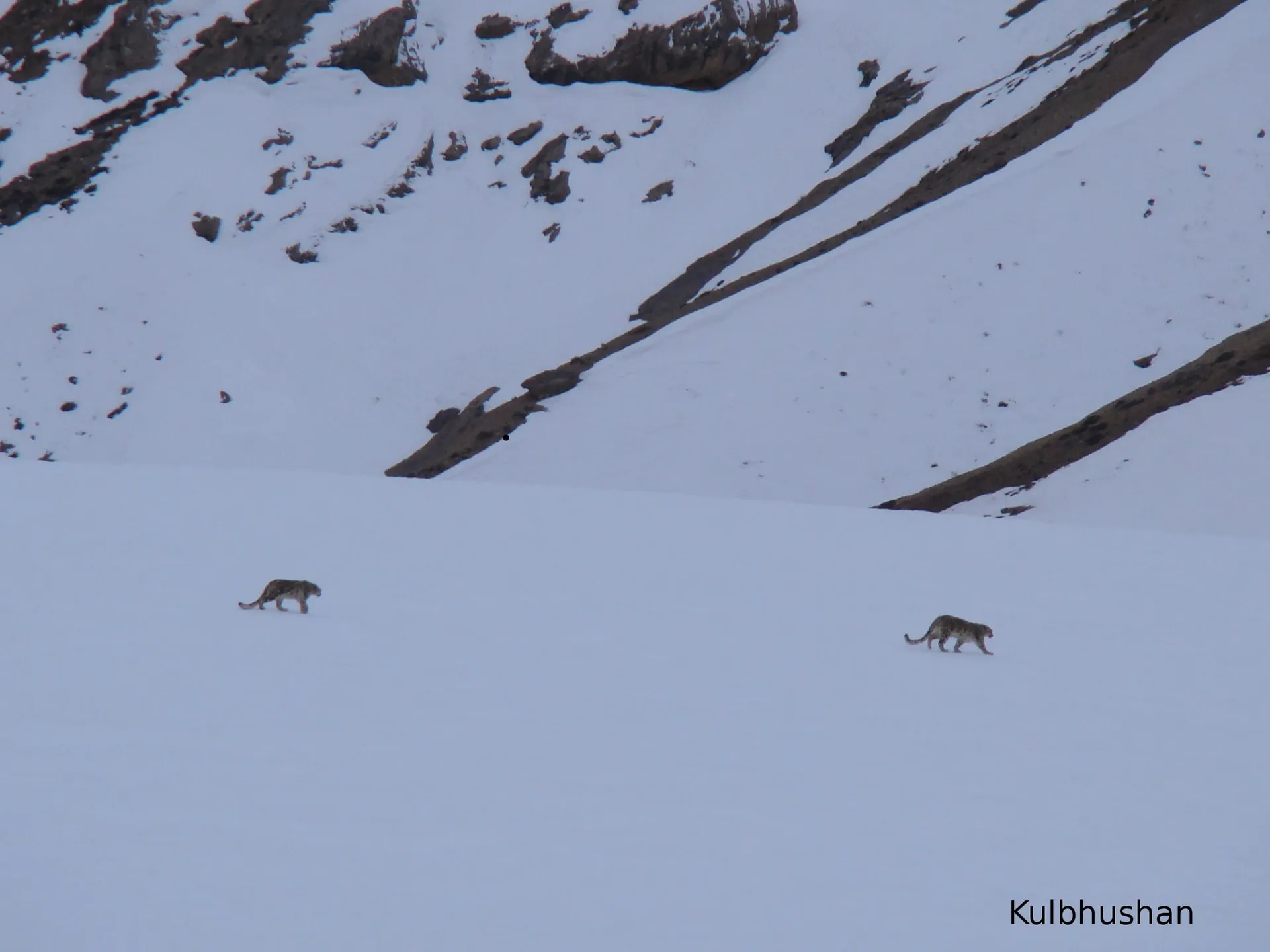
Kibber Wildlife Sanctuary covers about 2,220 km² of cold desert around Kibber village, from about 3,800 m to 6,000 m. Notified in 1992, it is home to snow leopards, blue sheep, ibex and Himalayan wolves, and from January to March it is one of the best places in India to look for snow leopards.
Getting there
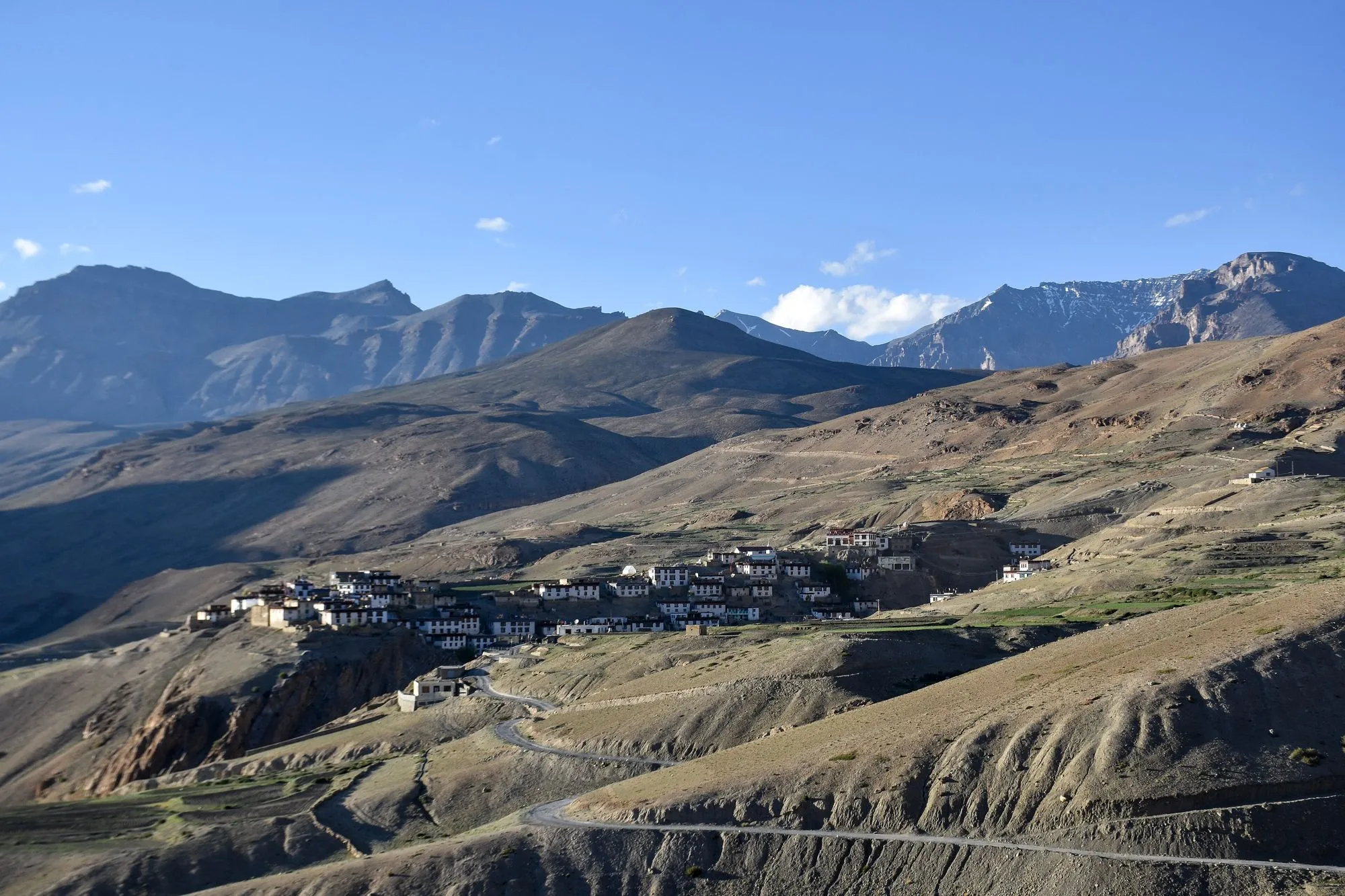
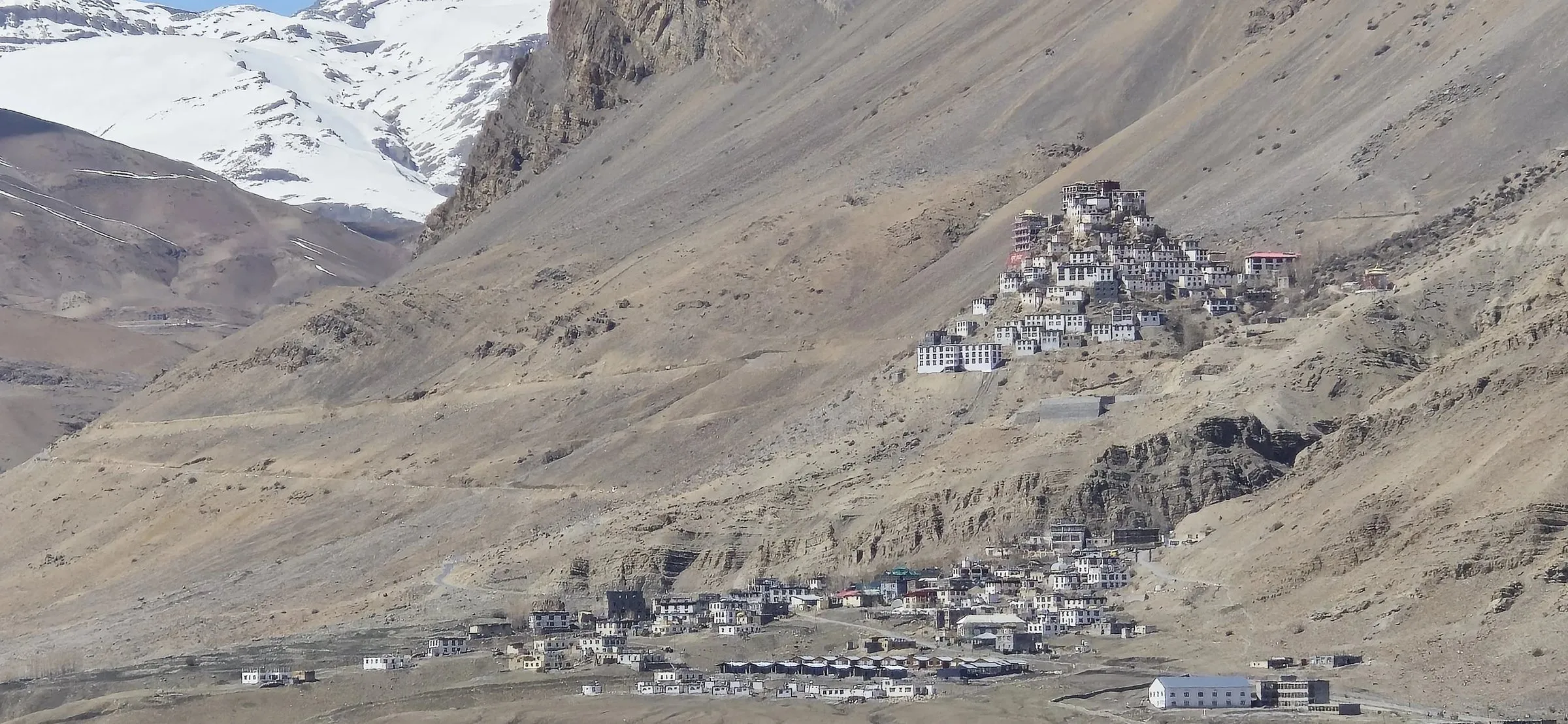
The sanctuary spreads across the high country around Kibber, at the end of the road from Kaza past Key Monastery: about 19 km from Kaza and about 8 km from Spiti Villa. Kibber is where the walks and the winter snow leopard trips begin.
The sanctuary
Kibber Wildlife Sanctuary was notified in 1992 and covers about 2,220 km² of cold desert: bare, rocky slopes, glacier-fed streams and thin alpine meadows, from about 3,800 m to 6,000 m. It is the only cold desert wildlife sanctuary in India, and it borders Pin Valley National Park to the south. The Spiti Wildlife Division of the Himachal Pradesh Forest Department looks after it, and since 2009 the whole area has been part of the Cold Desert Biosphere Reserve.
The animals to look for:
- Snow leopard, the reason most winter visitors come.
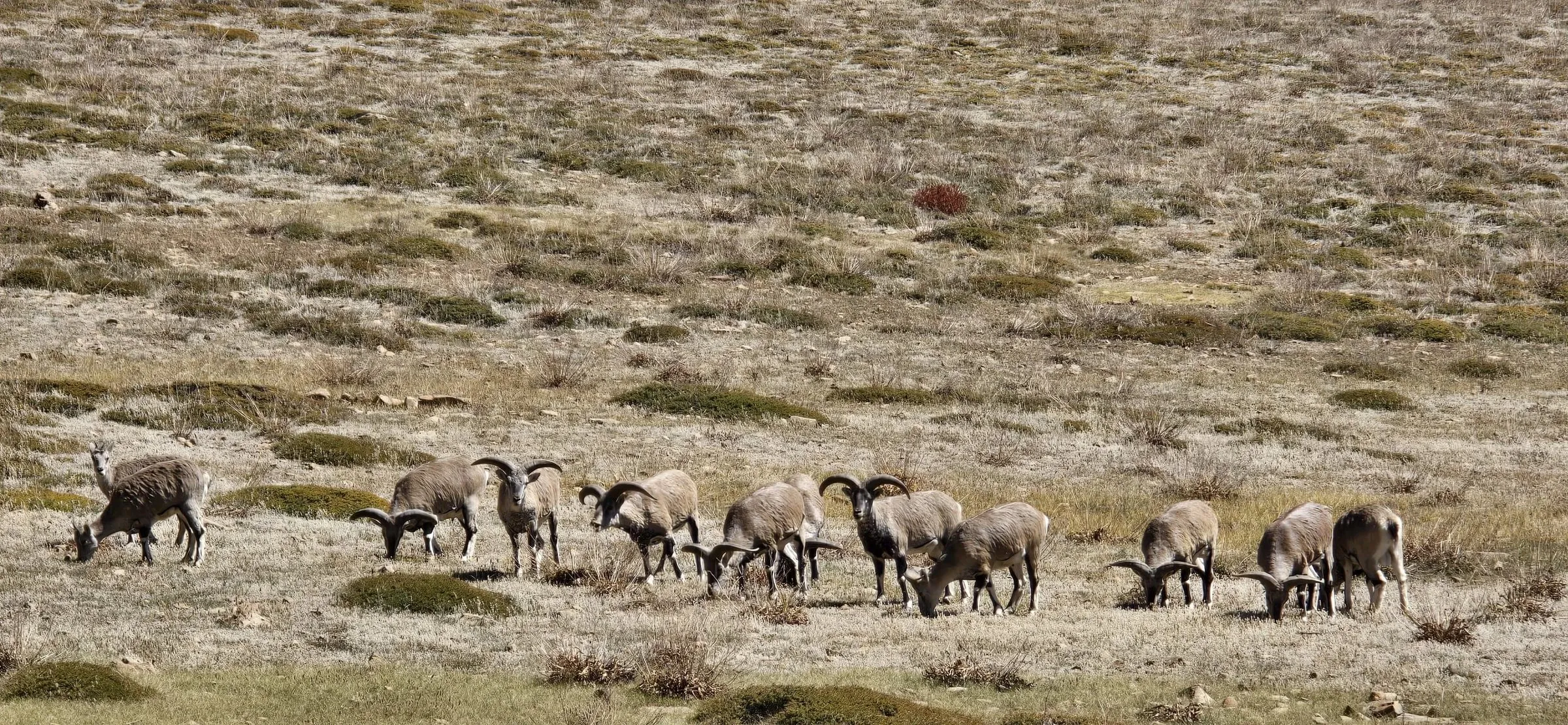
- Blue sheep (bharal), which graze the slopes above Kibber most of the year and are the snow leopard’s main prey.
- Himalayan ibex, with long curved horns, on the steepest cliffs.
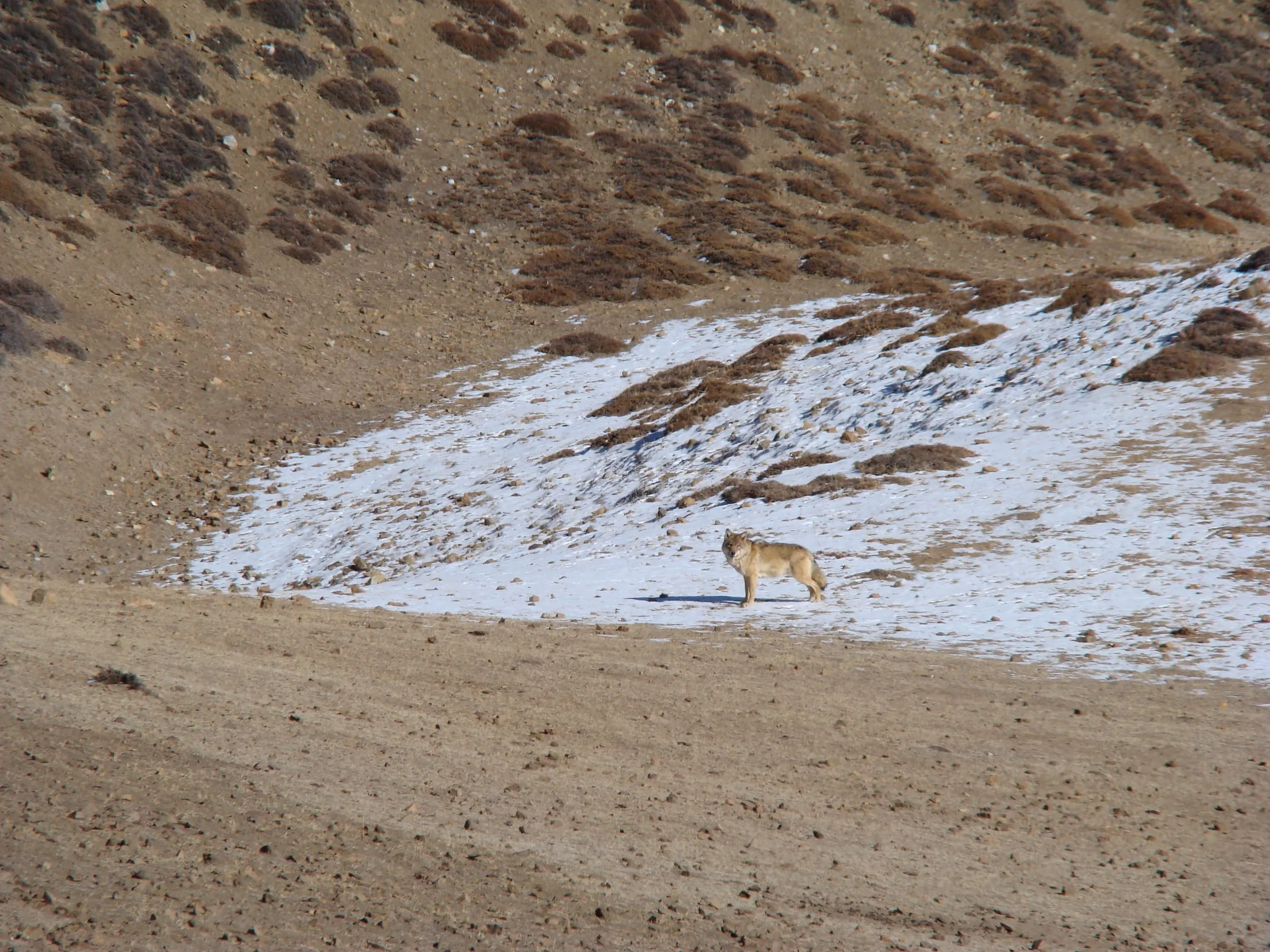
- Himalayan wolf and red fox.
- Long-tailed marmot, woolly hare and pika in summer.
- More than 90 kinds of birds, including the bearded vulture (lammergeier), golden eagle, Himalayan griffon, Tibetan snowcock and chukar.
Snow leopards in winter
From about January to March, deep snow drives the blue sheep down the slopes, and the snow leopards follow. Sightings are often several hundred metres to a couple of kilometres away, so a good telescope or long lens matters. People usually give it several days; even then, nothing is promised.
The Spiti Wildlife Division warns that crowds of vehicles and badly run sightings disturb the animals. Choose a guide who keeps a distance, never chases or baits, and keeps the group quiet. Kibber’s own villagers led the camera-trap work for the state’s snow leopard survey, and hiring local spotters keeps the benefit in the valley.
Winter in Spiti is serious cold: nights fall far below freezing. The only way in is through Kinnaur from Shimla. The family’s Winter Spiti and Snow Leopard Trail is built around these months.
Good to know
- Permits for camping, trekking and photography inside the sanctuary come from the Spiti Wildlife Division’s office in Kaza.
- Feral dogs harm the wildlife here. Don’t feed them.
- In summer, the walks out of Kibber are the best way to see blue sheep and ibex.
Best months for Kibber Wildlife Sanctuary
Saffron: the easiest months. Best time to visit Spiti · Is Spiti open now?
What you’ll see
From our door
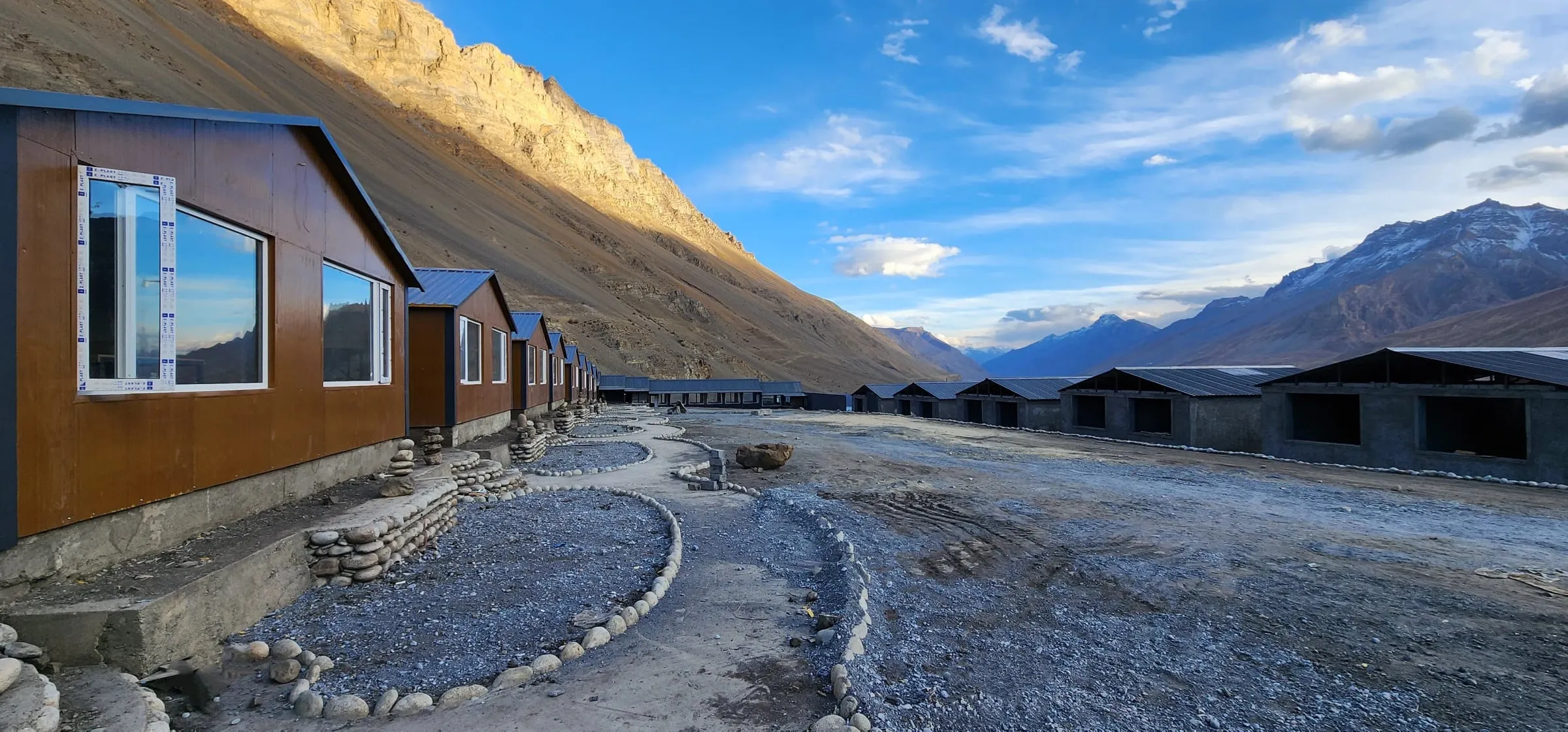
Spiti Villa is on Kibber Village Road, just below Key Monastery and 12 km from Kaza: 32 rooms, a glass-walled restaurant, and oxygen on site if the altitude catches up with you. Open all year.
Nearby

Quick answers
When is the best time to see snow leopards in Spiti?
From about January to March. Deep snow pushes the blue sheep down the slopes, and the snow leopards follow them closer to the villages. Fresh snow also shows their tracks. Even then, a sighting is never certain.
How many snow leopards are there in Himachal Pradesh?
The state’s second camera-trap survey, by the Forest Department and the Nature Conservation Foundation, estimated 83 (range 67–103), up from 51 in the first. Spiti and Pin Valley had the highest densities.
How big is Kibber Wildlife Sanctuary?
About 2,220 km², from about 3,800 m to 6,000 m. It is the only cold desert wildlife sanctuary in India.
Where do people stay to look for snow leopards?
In Kibber and the villages around it, or in Key and Kaza. Spiti Villa, below Key Monastery and about 8 km from Kibber, is open all year.
Do I need a permit?
The Spiti Wildlife Division issues permits for camping, trekking and photography in its protected areas. Ask at its office in Kaza, or let your guide arrange it.
Sources
- Kibber Wildlife Sanctuary, Spiti Wildlife Division, Himachal Pradesh Forest Department, checked 18 November 2026
- Spiti Wildlife Division: about us (1992 notification), checked 18 November 2026
- Tracking the ghost of the Himalayas: Himachal reveals the numbers, Spiti Wildlife Division
- Kibber Wildlife Sanctuary, Wikipedia (altitude range, birds), checked 18 November 2026
- Spotting snow leopards in Spiti Valley: a realistic guide, Travelling Camera, April 2026