
Things to do in Spiti
The short answer
The best things to do in Spiti are to visit its thousand-year-old monasteries (Key, Tabo, Dhankar), drive the high villages above Kaza (Langza, Hikkim, Komic), look for fossils, cross Chicham Bridge, walk to Dhankar Lake, explore Pin Valley, see Chandratal in summer, look for snow leopards in winter, and sit out under some of the darkest skies in India.
1. See the monasteries
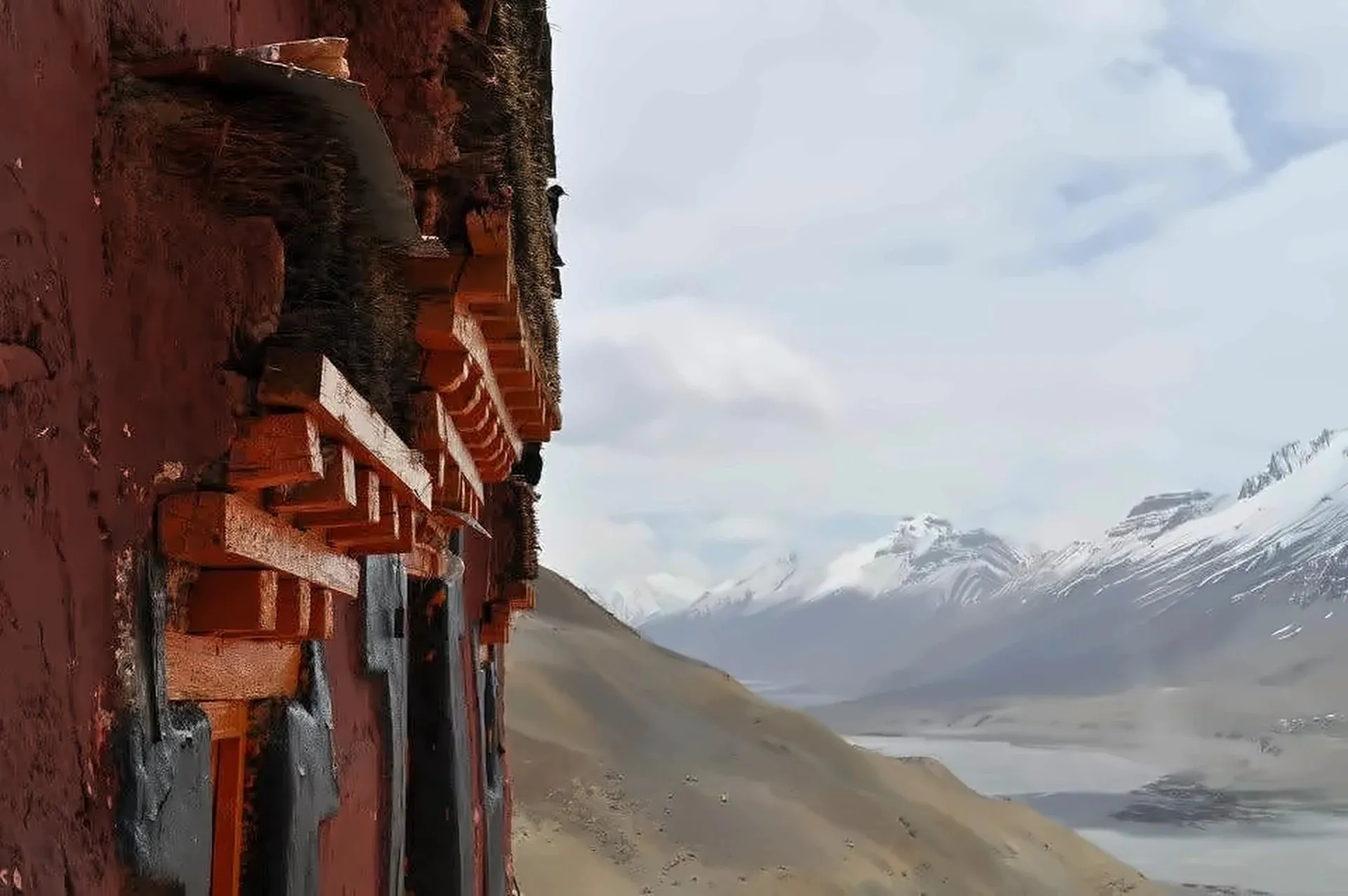
Spiti is one of the great Tibetan Buddhist valleys. Start with Key, the largest, on its hill above Key village; then Tabo, founded in 996 CE, with murals a thousand years old; and Dhankar, the fort monastery on a cliff. Go early, when the prayers are on. See all the monasteries of Spiti.
2. Drive the high villages above Kaza
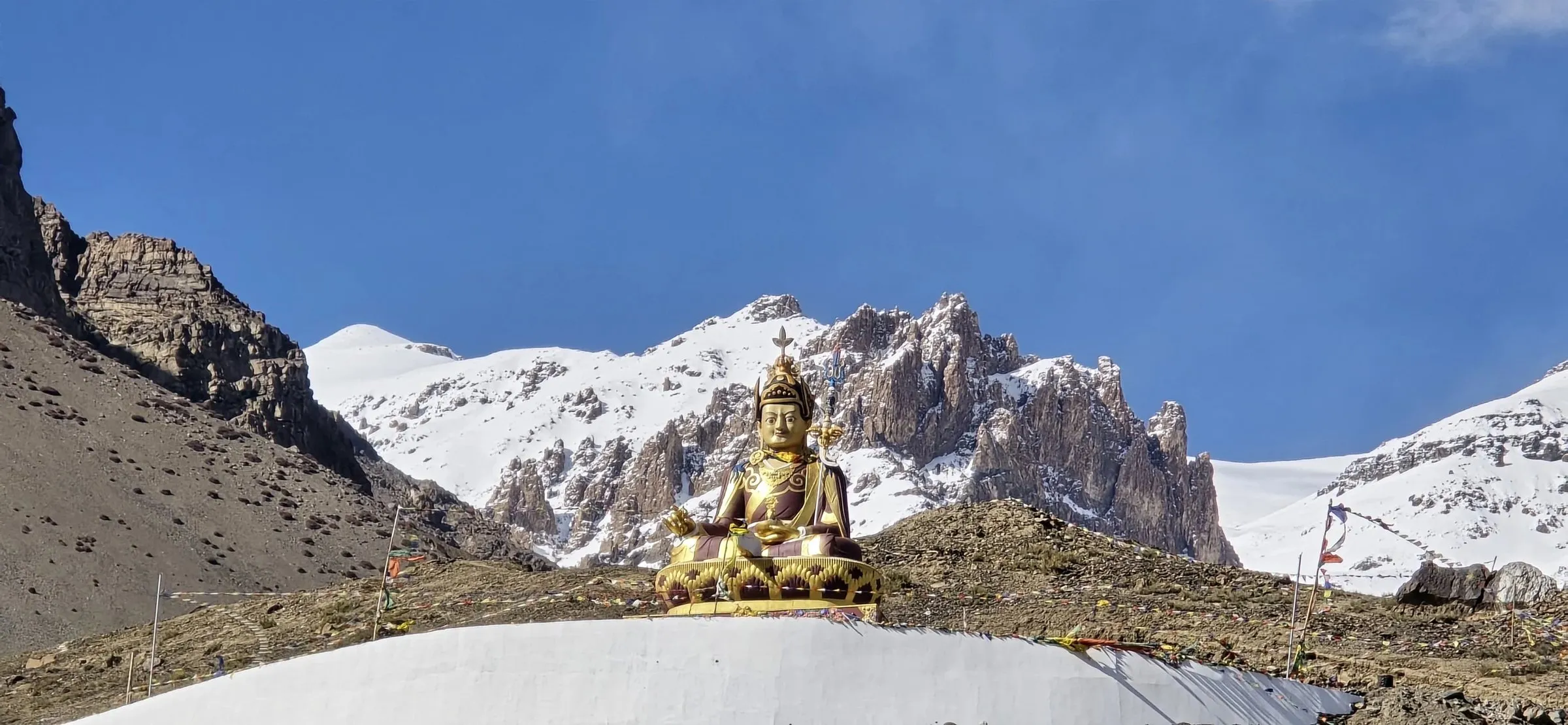
A half-day loop climbs from Kaza to Langza, Hikkim and Komic, between about 4,400 and 4,520 m. Langza has its big Buddha statue, Hikkim its post office, and Komic the Tangyud Monastery, one of the highest in India. Do it after a night or two in Spiti, not on arrival.
3. Look for fossils at Langza
The slopes around Langza were once the floor of the Tethys Sea, and ammonites roughly 145 to 160 million years old turn up in the shale. Look, photograph, and leave them where they lie.
4. Send a postcard from Hikkim
The post office at Hikkim calls itself the highest in the world. Bring your postcards; it keeps village hours, so go in the morning.
5. Cross Chicham Bridge
Chicham Bridge, beyond Kibber, spans the gorge of the Samba Lamba stream. Walk out to the middle and look down. Combine it with Key and Kibber in one morning.
6. Look for snow leopards (January to March)
In winter the blue sheep come down the slopes around Kibber, and the snow leopards follow. Kibber Wildlife Sanctuary is one of the best places in India to try; give it several days, with a good guide and a telescope, and nothing is promised. More in snow leopards in Spiti.
7. Walk to Dhankar Lake
From the new monastery at Dhankar, a steep walk of about 1.5 to 2 hours climbs to Dhankar Lake, at about 4,140 m, with the Manirang peaks across the valley. A summer walk, best June to September.
8. Spend a night in Pin Valley
Cross the river below Dhankar into Pin Valley, greener than the rest of Spiti. See the Nyingma gompa at Kungri and sleep in a homestay at Mudh, where the big treks to Kullu and Kinnaur begin.
9. See Chandratal (June to early October)
Chandratal, the crescent lake below Kunzum Pass, is reachable only while the Manali road is open. Sleep in the authorised camps a few kilometres before it, not on your first night in the mountains.
10. Meet the Gue mummy
Near Sumdo, on the road in from Kinnaur, the village of Gue keeps the body of the monk Sangha Tenzin, preserved in meditation for about 500 years.
11. Stay with a family
A night in a village homestay, in Demul, Langza or Kibber, is the best way to see how people live here. Read where to stay in Spiti.
12. Eat what Spiti eats
Thukpa (noodle soup), momos, dal and rice, and butter tea: salty, rich and worth trying once, ideally in someone’s kitchen. Kaza has a few cafés in summer; in winter you eat what your host cooks, which is usually the best food in the valley. More in Spiti food.
13. Watch the stars
The air is high, dry and clear, and away from Kaza there is almost no artificial light. On a moonless night the Milky Way stretches right across the sky. Key, Kibber and the high villages are darker than town. See stargazing in Spiti for the best spots and the new-moon dates.
14. Catch a festival
The Ladarcha fair fills Kaza in the third week of August, and the monasteries hold masked dances through the summer. See Spiti festivals.
15. Slow down
Spiti is high. Walk slowly, drink water, and leave space in the plan for an afternoon with nothing in it. Our safety guide covers altitude and the roads. At Spiti Villa you can hire a bicycle, sit out by the bonfire, or just watch the light change on the mountains.
Quick answers
What is Spiti famous for?
Its Buddhist monasteries, above all Key and Tabo; its high villages, some of the highest you can drive to; the fossils at Langza; Chandratal lake; snow leopards in winter; and its bare, high-desert landscape.
How many days do I need in Spiti?
Four or five days in the valley covers the main sights, plus two or three days to drive in and out. See our 5, 7 and 9-day itineraries.
What can I do in Spiti in winter?
Visit the monasteries on the main roads with no crowds, look for snow leopards around Kibber from January to March, and walk in the snow. The Manali road and Chandratal are closed; come in through Kinnaur.
Is Spiti good for families and older travellers?
Yes, if you take the altitude slowly: come in through Kinnaur, rest on the first day, and keep the highest villages for later in the trip.
Sources
- Surviving Spiti: altitude, food, cold and mountain roads, Himalayan Brothers
- Spiti Valley in winter, Himalayan Brothers
- Kibber Wildlife Sanctuary, Spiti Wildlife Division
- Fairs and festivals, District Lahaul & Spiti
Trips that fit
Run by Himalayan Brothers, our family’s travel company, and quoted on WhatsApp.
From our door
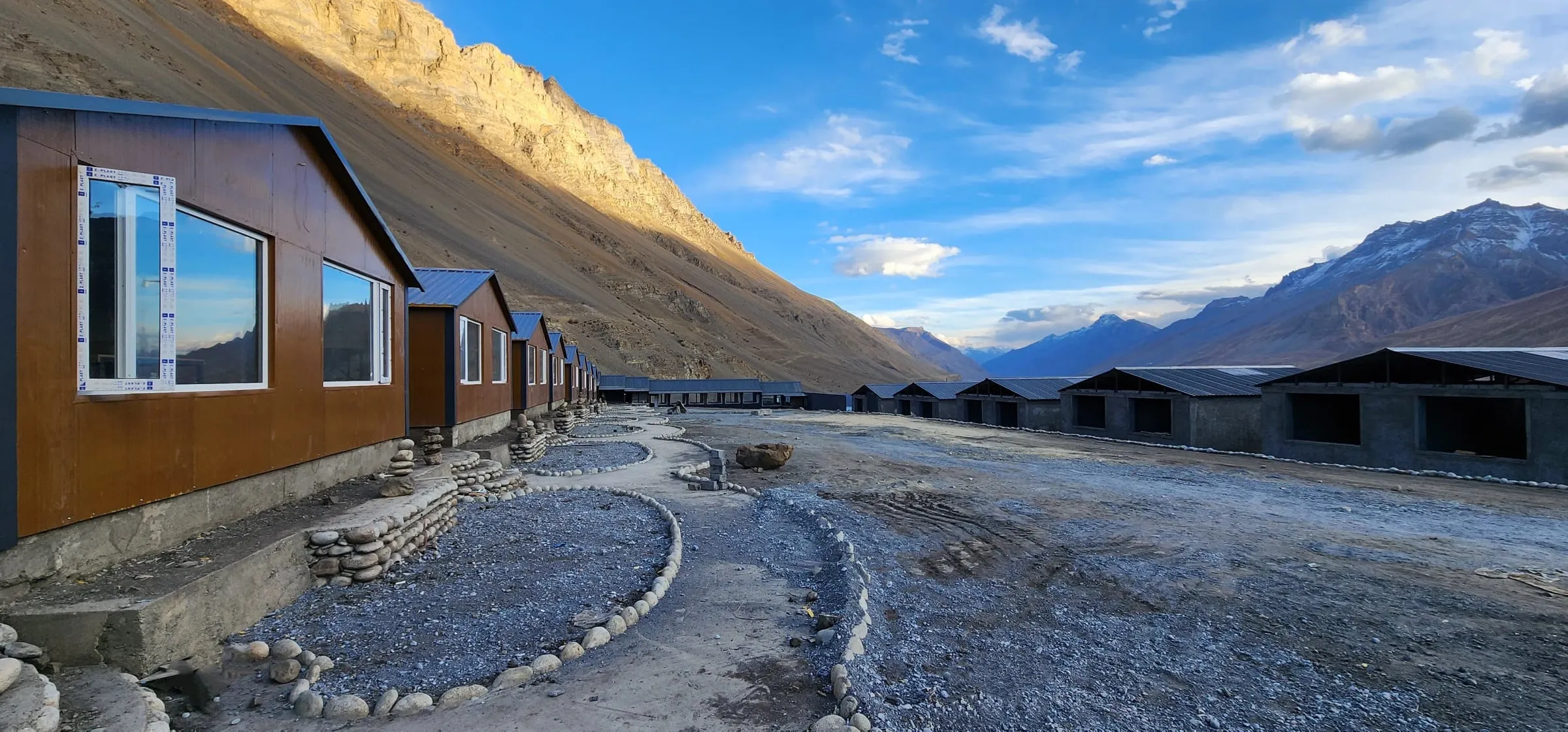
Spiti Villa is on Kibber Village Road, just below Key Monastery and 12 km from Kaza: 32 rooms, a glass-walled restaurant, and oxygen on site if the altitude catches up with you. Open all year.